|  | ||||||||||||
| | | |||||||||||
| Retrofitting your bike and body. Don't skimp on studs. Whether you’re making your tires or buying them, go for the maximum number of studs in the rubber. Saving a couple bucks on tires with insufficient metal will not be a bargain when you hit an ice flow at 30 MPH. The best winter tires have studs on the center ridge and outside edges. They’ll keep you connected on steep climbs and descents. Upgrade to hydraulic. Until hydraulic disk brakes came along, winter mountain biking had a slight drawback: the inability to stop. Little rubber pads against icy rims and frozen brake cables proved unequal to the task. A system involving composite pads on metal rotors activated by a smooth-pulling, ice-free hydraulic system, on the other hand, will let you stop—whatever the temp. Remember: water freezes. When you reach down for water and come up with a cylinder of ice, you’re probably going to remain thirsty. Get a hydration pack with insulated valve and hose. Winter sucks the moisture out of your body. When it’s cold, staying hydrated is more crucial than ever.
But every one of these layers, however wickable, could get soaked with sweat. Stash an extra jacket, hat, and gloves in your streamlined bike pack for a warmer ride home. Keep your feet happy. You may be pumping up a serious inner burn, but your blood-deprived extremities can still get smacked with cold. With the growth of four-season riding, a variety of burly winter bike shoes have become available. You’ll need high neoprene cuffs, thick insulated foot beds, and waterproofed leather. Maintain momentum. Summer mountain biking involves a lot of discourse on important topics like the best tracks, music, and beer, but keep the tires rolling in the winter. Don’t let your sweaty clothes cool off and leave you in a shivering, hypothermic stupor. Story by Chris Milliman <<< Back to snow biking in winter .
| ||||||||||||
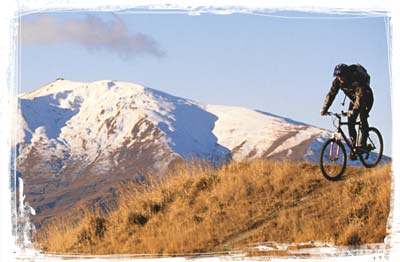 Dress right. Pack smart.